Van Ameyde
Van Ameyde transforms claims processes with agentic AI
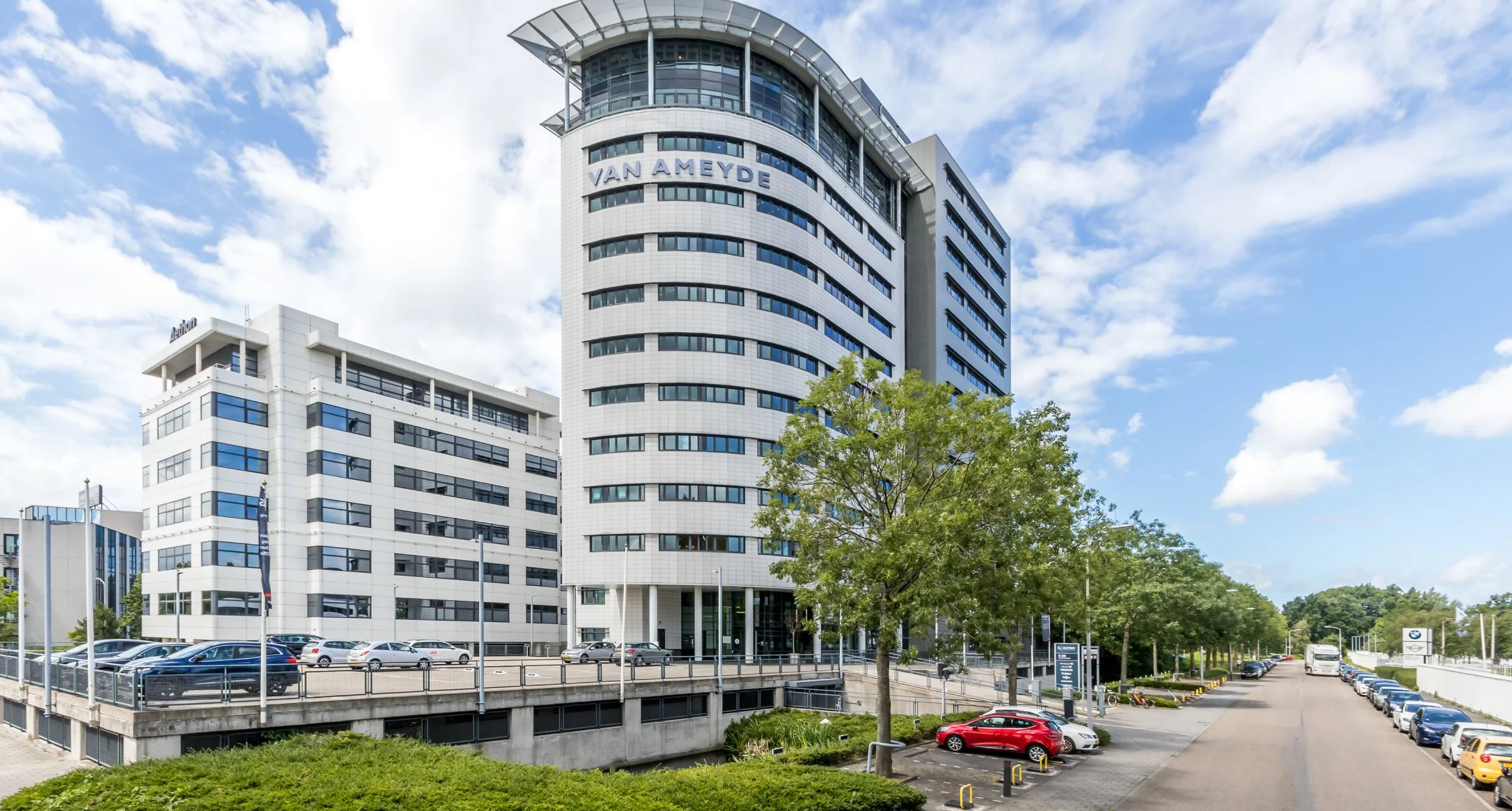

Van Ameyde, an international service provider in claims management, faced a fundamental choice: continue building on low-code or move towards the future. Together with Incentro and Vercel, they chose an AI-native approach. The result is a modern architecture and a first agentic AI solution for intake and triage, as the first step toward an AI-supported claims lifecycle.
AI FOR INTAKE AND TRIAGE · AI FOR INTAKE AND TRIAGE · AI FOR INTAKE AND TRIAGE · AI FOR INTAKE AND TRIAGE · AI FOR INTAKE AND TRIAGE ·
AI FOR INTAKE AND TRIAGE · AI FOR INTAKE AND TRIAGE · AI FOR INTAKE AND TRIAGE · AI FOR INTAKE AND TRIAGE · AI FOR INTAKE AND TRIAGE ·
Claims management specialist
Van Ameyde provides services in claims management and risk solutions for the insurance industry. With a network of around forty offices worldwide, the company supports insurers, leasing companies and corporates in handling claims efficiently and accurately.
A claims process consists of intake and initial assessment (triage) of incoming cases, damage assessment, settlement and case closure. Because large volumes of information are processed, such as emails, documents and supporting evidence, speed, accuracy and scalability are critical.
Low-code became bottleneck
Van Ameyde had reached a turning point. Their existing IT landscape, built on a low-code platform, had evolved over the years into an increasingly complex and monolithic environment. At the same time, pressure was mounting: applications were becoming outdated, licensing costs were rising and dependency on the vendor kept increasing. This not only limited flexibility but also made it difficult to respond quickly to new technological developments, particularly in the field of AI.
And that was exactly where a major opportunity lay. Within the claims process, where large volumes of emails and documents are processed daily, Van Ameyde saw clear potential to make processes smarter and more efficient. However, the existing architecture simply did not provide the right foundation. Rather than opting for an incremental upgrade, it became clear that a fundamental rethink was needed.
We wanted to start working with AI, but with our existing platform we did not see the necessary integration capabilities emerging. We were stuck in a vendor lock-in.
Michiel Theuniszen, software architect at Van Ameyde
A fundamental shift to AI-native
Van Ameyde did not choose an upgrade, but a complete rebuild of its application landscape. Together with Incentro and Vercel, they migrated from a monolithic low-code environment to a modern, domain-driven architecture based on Next.js and the Vercel platform. This involved not only replacing technology, but also changing the way of working: teams were retrained, work was organized in smaller iterations and the ability to bring new functionality into production more quickly improved significantly.
A key part of the project was the creation of an in-house AI layer: a flexible interface between Van Ameyde’s applications and various AI models. This gave them the freedom to develop tailored AI capabilities and integrate them directly into their processes.
The first concrete application is an agentic solution for intake and triage within the claims process. This application automatically classifies emails and documents, requests missing information from customers and pre-fills systems. Where previously a lot of manual work was required, the role of employees is now shifting toward control and decision-making.
We have equipped the intake and triage process with an agentic solution that reads documents, pre-fills systems and takes actions itself, such as requesting missing information from the customer.
Michiel Theuniszen, software architect at Van Ameyde
Bootcamps for scrum teams
During this project, learning and building went hand in hand. Incentro supported Van Ameyde with targeted bootcamps for multiple scrum teams, enabling developers to quickly become familiar with the new technology. In addition, Incentro helped set up the architecture and develop the first applications.
Vercel complemented this with a platform that takes care of hosting and deployment, allowing Van Ameyde’s teams to focus fully on development. This collaboration made it possible to deliver results early in sprints and bring the first AI solution into production within just a few months.
Early results drive further ambition
The first impact of the new approach is visible in the intake and triage process, where Van Ameyde started with AI. Emails and documents are automatically classified, missing information is actively requested from customers and systems are pre-filled. As a result, employees spend less time on repetitive tasks and can focus more on validation and decision-making.
The ambition is to apply similar agentic AI solutions to other stages of the claims process, such as claims handling, settlement and recovery. Step by step, Van Ameyde is moving towards a fully AI-supported claims lifecycle, enabling the company to scale and differentiate itself from competitors.

2 min read
Incentro becomes the first official LangChain partner in the Netherlands
4 min read
Stedin: from a fragmented process landscape to real-time control of the energy chain
4 min read
Incentro goes full agentic: 'Layering AI on top of old processes, solves nothing'
5 min read
Youforce automates internal support with its own AI agent