

Avner Malendes
Frontend Engineer
4 min read
30 January 2026
Bioinformatics: A hidden world where code meets life
Have you ever heard of bioinformatics? Even if you haven’t, you can probably guess that it contains two words: biology and informatics. But why is informatics needed in biology, and vice versa? Let’s dive into a hidden world that has been helping countless researchers make human life better.
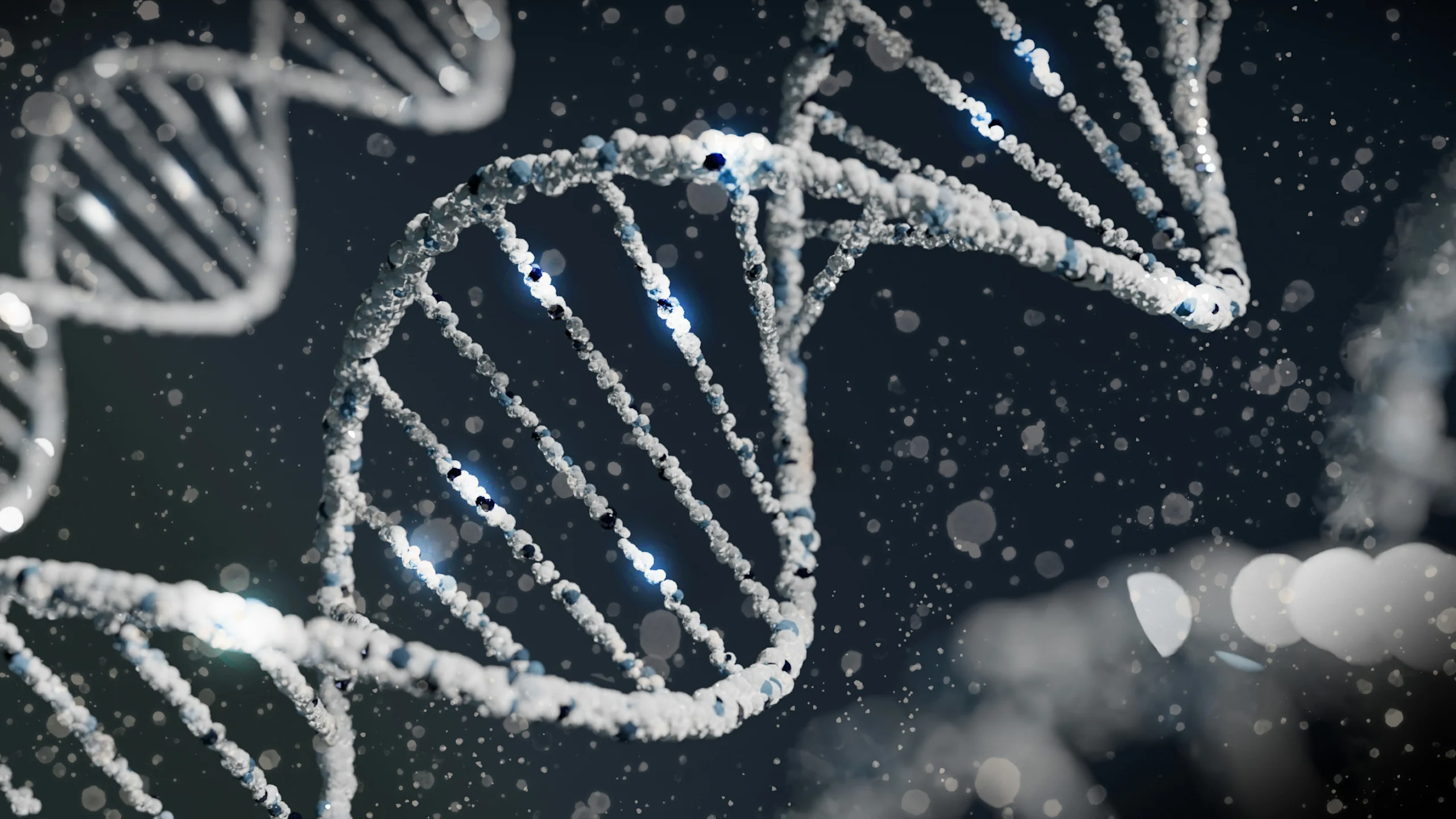
Humans are just a big block of code
Humans are like a big project built from complex code, which we sometimes call the genome. It’s the code, or set of instructions, that makes us… us. Every letter matters, and sometimes, a change in just a single letter (which we call a mutation) can lead to a serious disease such as sickle-cell anemia.
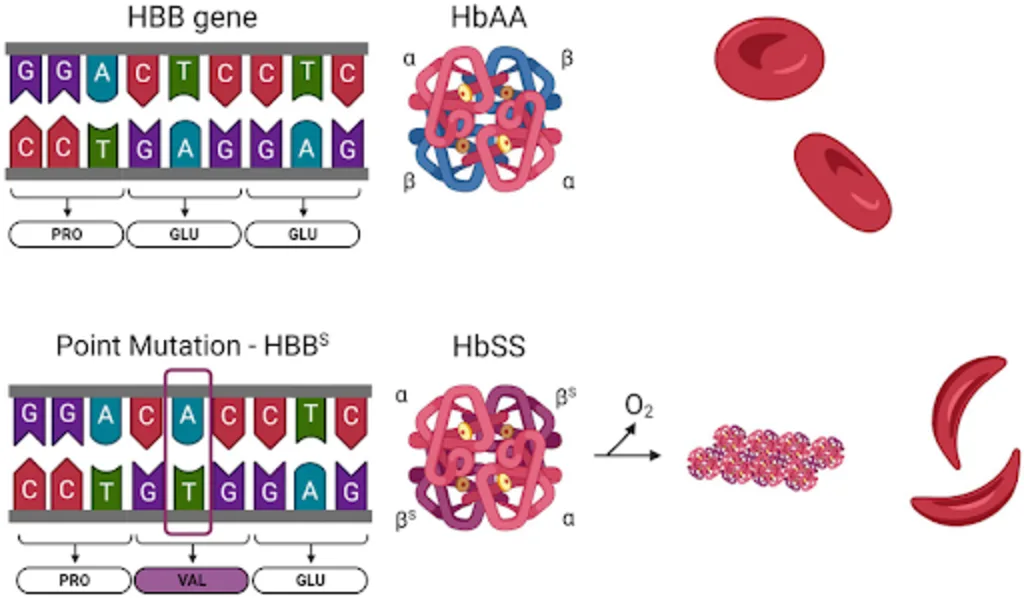
Now imagine the scale of this code. The human genome contains around 3 billion base pairs of DNA. Analyzing something this large and complex is impossible without computers. Once we can analyze our own genome, an interesting question arises: how similar are we to other living beings? You might’ve heard that humans share a surprising amount of genetic similarity with animals, such as a mouse:

No, not that mouse.
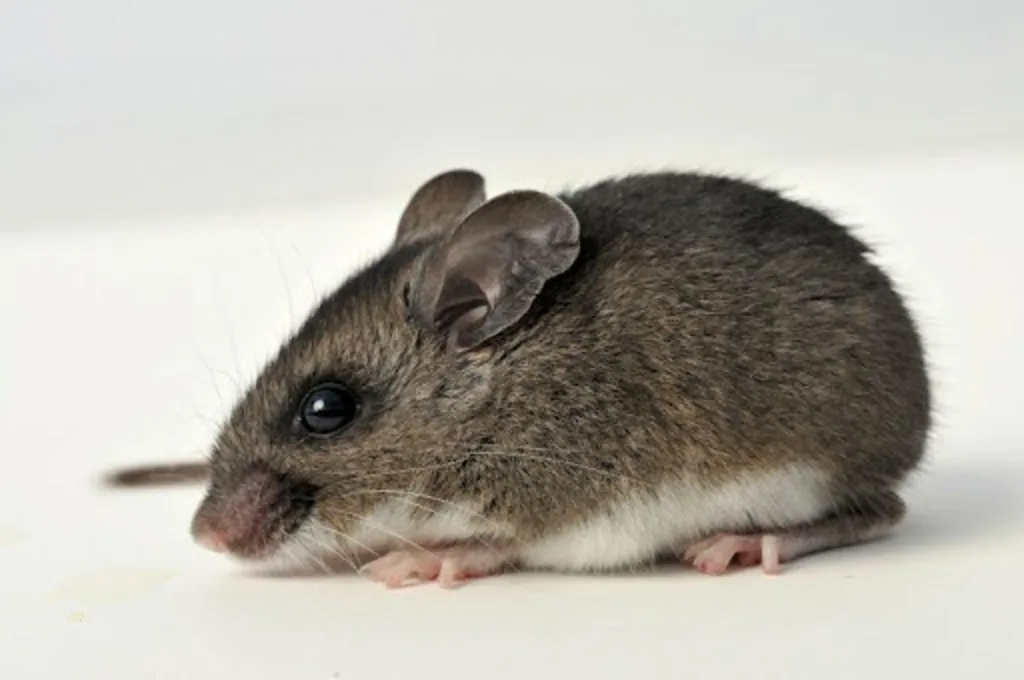
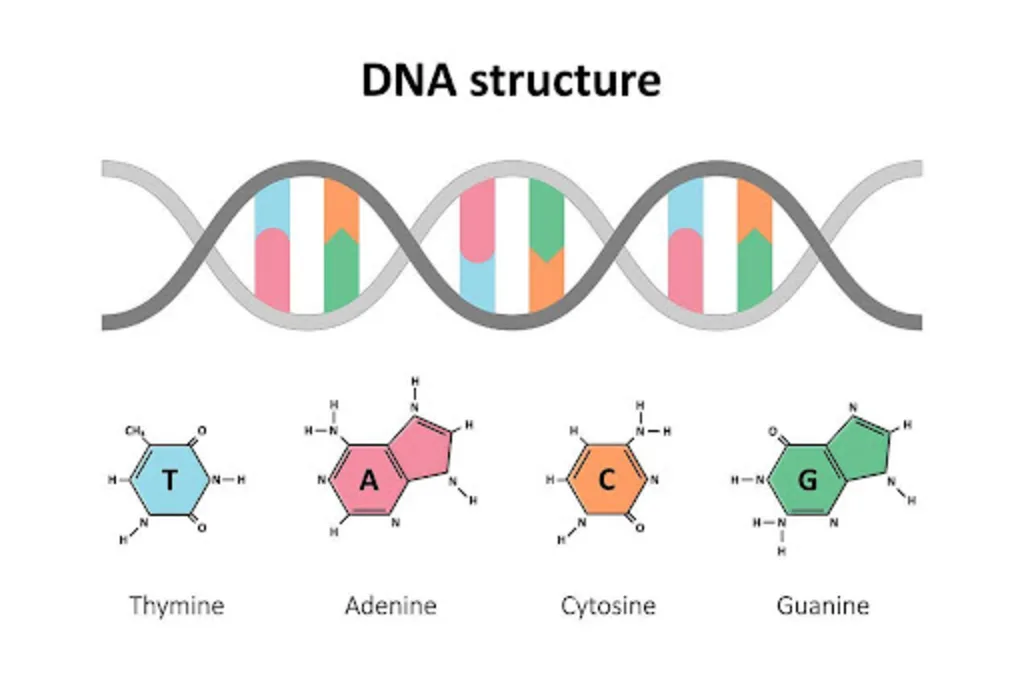
Yep, that’s more like it. But how on earth do we know about genetic similarity? The key lies in the language of the genome itself. All living organisms are written using the same simple alphabet, just four letters: A, T, C, and G. Compared to the programming languages we use in software, this code is surprisingly simple!
Because we share the same genetic language, we can compare one organism with another directly. Using computational tools, scientists can read our own genome and compare it to the genome of a mouse, which can reveal how closely related we are and why mice are such a powerful model in studying drugs and human diseases.
How does informatics help?
So, how do we compare this big data of genetic codes? This is where informatics comes into play. Imagine you are searching for a single word in a document, but instead of a word, you are searching for a specific sequence of DNA letters!
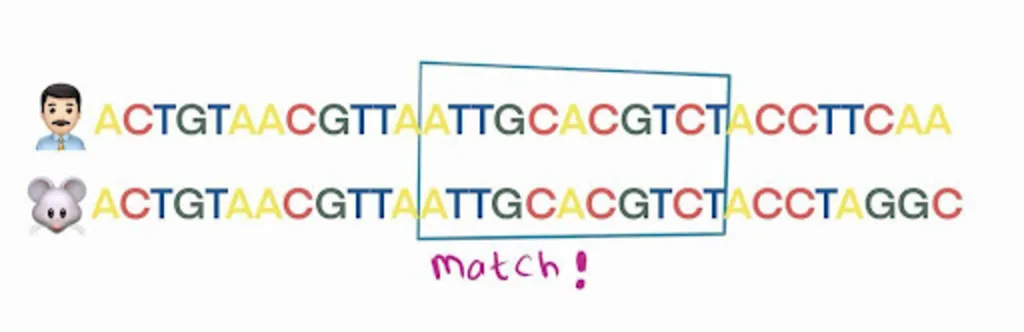
Using this idea, bioinformatics uses algorithms that scan both ends of matching sequences, allowing us to find other similarities as well. Surprise! Your string matching algorithm is useful for finding DNA similarities! These algorithms (one of many examples is the BLAST algorithm) are being used right now in genome research, it can search billions of characters in seconds! So it’s like Google Search but for DNA.
Now, we have large databases of genome sequences (such as the NCBI GenBank) contains sequences from millions of organisms, including viruses and bacteria. With this information, we can find similarities between diseases, identify mutations, and help guide decisions for the most effective treatment. Amazing, isn’t it?
How can this genome database help?
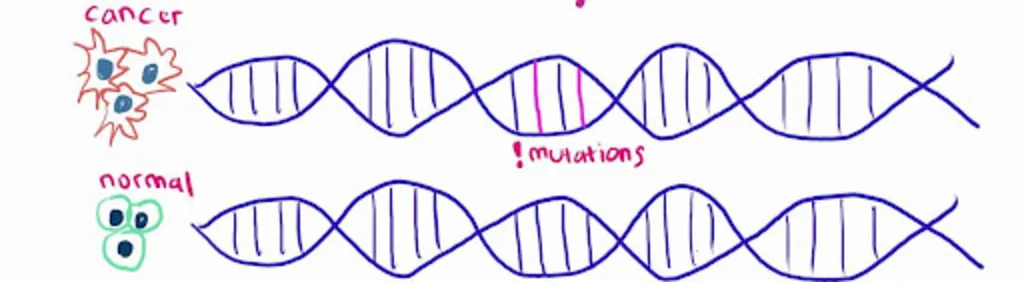
Take the example of cancer cells found in humans. By comparing cancer cells to normal human cells, we can identify where mutations appear using algorithms, which helps researchers identify parts of mutations that can guide targeted therapies.
This also works for other diseases, such as the recent SARS-COVID-19 virus that caused a global pandemic, where genome sequencing played a crucial role in early vaccine development.
Advanced, but not enough
This, however, is not as easy as it sounds. Some genome has a short sequence like this:
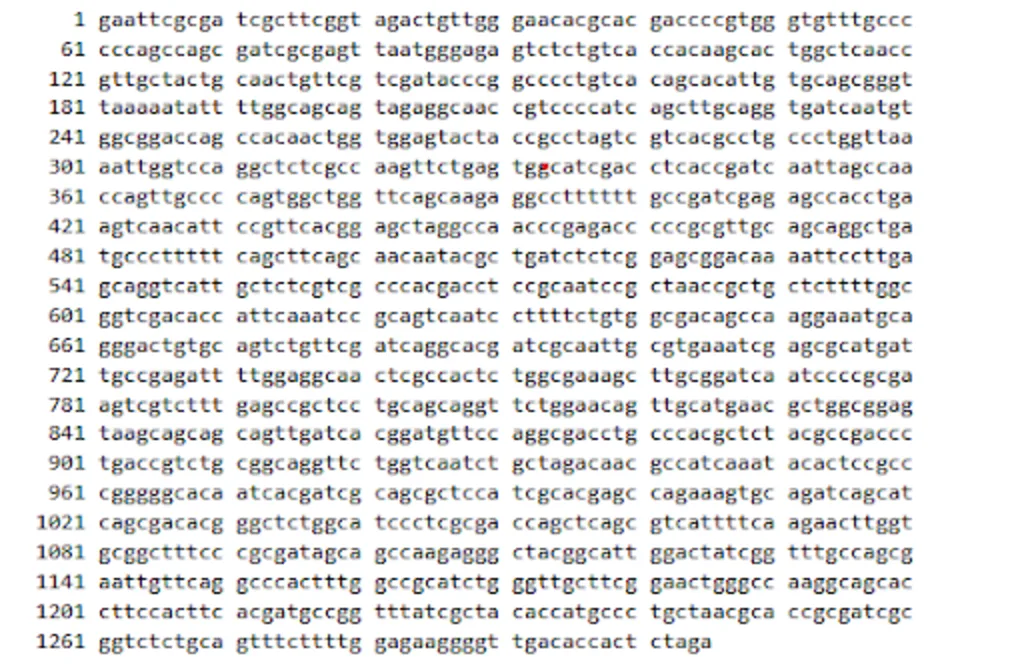
While others contain millions, even billions of characters. Processing, storing, and comparing such enormous amounts of data is a challenge in itself.
This is where the future of bioinformatics lies: develop faster algorithms, efficient computing methods, and smarter ways to extract results from biological data. As technology advances, so does our ability to understand life at its most fundamental level.
Conclusion
Looking ahead, artificial intelligence and machine learning are expected to play an increasingly important role in bioinformatics, from identifying patterns in genomic data to supporting predictive models in medical research. Reaching this future requires not only advanced models but also AI-ready architectures, high-quality data, and secure, scalable infrastructure. By focusing on these foundations, software solutions can help researchers and organizations gradually adopt AI-driven approaches and unlock deeper insights from biological data.
Bioinformatics is not just a supporting tool for biology; it is shaping our future in medicine, genetics, and disease prevention. And guess what, we are only beginning to understand the code that makes us who we are.
1 min read
Orchestrating Growth: AI-driven workflow transformation for Indonesia’s BFSI

5 min read
Youforce automates internal support with its own AI agent

4 min read
Payter's next step with Agentic AI: from process orchestration to intelligent customer interaction

4 min read
Will AI replace all of us? Philosopher Bas Haring on the role of AI agents
